Every successful forex trader knows that the secret to long-term profitability isn’t just finding winning trades — it’s protecting your capital. That’s where stop loss and take profit orders come in.
If you’ve ever wondered how to set stop loss and take profit in forex trading, this guide will help you master both. By the end, you’ll know exactly where to place these levels to maximize profits, limit losses, and trade with confidence.
What Is a Stop Loss and Why It’s Essential
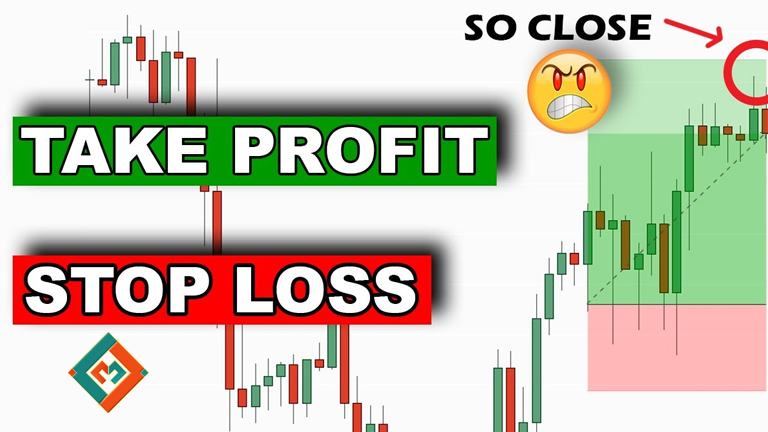
A stop loss (SL) is a protective order that automatically closes your trade when the market moves against you.
✅ Why You Need It
Prevents large, unexpected losses
Removes emotion from decision-making
Keeps your trading account safe from volatility
Example: If you buy EUR/USD at 1.1000 and set a stop loss at 1.0970, your trade will automatically close if the price drops 30 pips — limiting your loss to a predefined amount.
👉 Remember: Professional traders don’t trade without a stop loss. It’s your first line of defense in volatile markets.
set-stop-loss
What Is a Take Profit and Why It Matters
A take profit (TP) order automatically closes your position once the market hits your target profit level.
✅ Why You Need It
Locks in profits before the market reverses
Ensures discipline — you don’t exit too early or too late
Keeps your trading plan consistent
Example: If you bought EUR/USD at 1.1000 with a take profit at 1.1050, your position will automatically close with a 50-pip profit.
How to Set Stop Loss and Take Profit: The Smart Way
Setting SL and TP levels randomly is a rookie mistake. Instead, use technical analysis, risk management, and market structure to determine precise levels.
Here are the most effective methods:
1. Use Market Structure (Support and Resistance)
One of the simplest and most accurate ways to set SL and TP is by identifying support and resistance zones.
Place stop loss just below support (for buy trades) or above resistance (for sell trades).
Place take profit at the next resistance (for buys) or support (for sells).
Example: If support is at 1.1000 and resistance at 1.1100, buy at 1.1020, set stop loss at 1.0980, and take profit at 1.1080.
2. Apply the Risk-to-Reward Ratio (RRR)
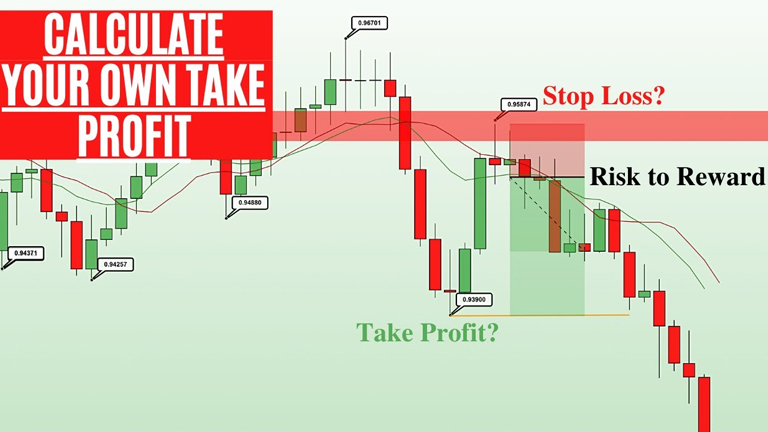
A profitable trader always maintains a positive risk-to-reward ratio, ideally 1:2 or better.
If you risk 50 pips, aim for at least 100 pips profit.
This ensures that even if only half your trades win, you remain profitable.
The Average True Range (ATR) shows how much a currency pair typically moves.
To set stop loss using ATR:
Multiply the ATR value by 1.5 or 2 to determine your stop distance.
Place your take profit accordingly with a 1:2 ratio.
Example: If ATR = 20 pips, your stop loss could be 30–40 pips, and your take profit 60–80 pips.
4. Combine Moving Averages and Swing Points
Use moving averages to identify trend direction and swing highs/lows for SL and TP placement.
In an uptrend: Place stop loss below the last swing low.
In a downtrend: Place stop loss above the last swing high.
Take profit at the next major swing or moving average crossover.
This approach aligns your trades with market momentum — a hallmark of professional trading.
Example: Setting SL and TP on a Real Trade
Let’s say you’re trading GBP/USD.
Entry: Buy at 1.2500
Stop Loss: 1.2470 (30 pips risk)
Take Profit: 1.2560 (60 pips reward)
Here your risk-to-reward ratio is 1:2, meaning you earn twice as much as you risk.
Repeat this setup consistently, and you’ll build a strategy with strong profitability and minimal emotional stress.
Pro Tips for Effective Stop Loss and Take Profit Placement
✅ 1. Never move your stop loss away from risk. Once placed, stick to it — moving it out of fear usually increases losses.
✅ 2. Adjust take profit as the market moves in your favor. Trail your SL behind price action to lock in gains.
✅ 3. Use higher timeframes for key levels. Daily or 4-hour charts give more reliable levels than short-term noise.
✅ 4. Avoid round numbers for stop loss. Market makers often target round numbers — set SL a few pips beyond them.
✅ 5. Review every trade after closing. Evaluate if your SL/TP placement was logical and aligned with the market structure.
Common Mistakes Traders Make
🚫 Setting stop losses too tight (gets hit by normal fluctuations) 🚫 Ignoring volatility before major news events 🚫 Trading without clear exit levels 🚫 Risking too much capital on one position
Avoiding these mistakes will instantly improve your trading consistency.
Why Millance Traders Succeed with SL & TP
Millance provides traders with advanced tools to automate stop loss and take profit management:
Customizable trading dashboards
Real-time market analytics
Smart trade execution platforms
These tools help traders set precise SL and TP levels with confidence — improving consistency and profitability.
Conclusion
Setting stop loss and take profit levels correctly is the foundation of a strong forex trading plan. They protect your capital, secure your gains, and help you trade objectively — not emotionally.
Whether you’re a beginner or an experienced trader, remember:
“Successful trading isn’t about being right every time — it’s about managing risk every time.”
Start trading smarter with Millance, use effective SL and TP strategies, and turn market volatility into opportunity.














Leave a Reply