

If you’re diving into forex trading, one of the first skills you must master is calculating your forex profit accurately. Knowing exactly how much you gain or lose per trade isn’t just about numbers—it’s about making smarter trading decisions, managing risks effectively, and scaling your profits like a professional. In this guide, we’ll break down the exact formula for calculating forex profit step-by-step, so you can trade with confidence.
Why Calculating Forex Profit Matters
Before jumping into the formula, let’s understand why calculating profit correctly is crucial:
- It prevents unexpected losses by showing the real value of each trade.
- It helps you set realistic goals based on risk-to-reward ratios.
- It ensures consistency in your trading strategy.
- It allows you to compare different trades and optimize your performance.
Simply put: profit calculation is the backbone of long-term success in forex trading.
Step 1: Understand the Basic Forex Profit Formula
The universal forex profit calculation formula looks like this:
Profit = (Price Difference × Lot Size × Contract Size) / Exchange Rate
Let’s break this down:
- Price Difference = Closing Price – Opening Price (in pips)
- Lot Size = Number of lots traded (standard, mini, or micro)
- Contract Size = Units of base currency per lot (Standard = 100,000; Mini = 10,000; Micro = 1,000)
- Exchange Rate = Conversion rate if you’re trading against your account currency
Step 2: Identify Your Lot Size
Forex trades are measured in lots, and your lot size determines your exposure:
- Standard Lot (100,000 units)
- Mini Lot (10,000 units)
- Micro Lot (1,000 units)
👉 Example: Trading 1 standard lot of EUR/USD means you’re trading €100,000.
Step 3: Calculate the Pip Value
The pip is the smallest unit of movement in forex. Knowing its value helps you see exactly how much money you gain or lose per pip.
Pip Value Formula:
Pip Value = (One Pip ÷ Exchange Rate) × Lot Size
👉 Example: In EUR/USD, one pip = 0.0001. If you trade 1 standard lot, the pip value = $10.
Step 4: Apply the Forex Profit Formula
Now let’s put it all together with a real-world example:
- Currency Pair: EUR/USD
- Opening Price: 1.1000
- Closing Price: 1.1050
- Lot Size: 1 Standard Lot (100,000)
- Pip Difference: 50 pips
- Pip Value: $10
Profit = 50 pips × $10 = $500
👉 That means your profit for this trade is $500.
Step 5: Adjust for Account Currency
If your account is not in USD, you need to adjust using the exchange rate.
Adjusted Profit = Profit × Exchange Rate
For example, if your account is in GBP and the exchange rate is 0.80, then:
$500 × 0.80 = £400 Profit
Step 6: Factor in Trading Costs
Remember, net profit = gross profit – trading costs. Always account for:
- Spread (difference between buy and sell price)
- Commissions (broker fees per trade)
- Swaps/Overnight Fees (if you hold positions overnight)
👉 Example: If your trading costs are $20, then:
$500 – $20 = $480 Net Profit
Step 7: Master Risk-to-Reward Ratios
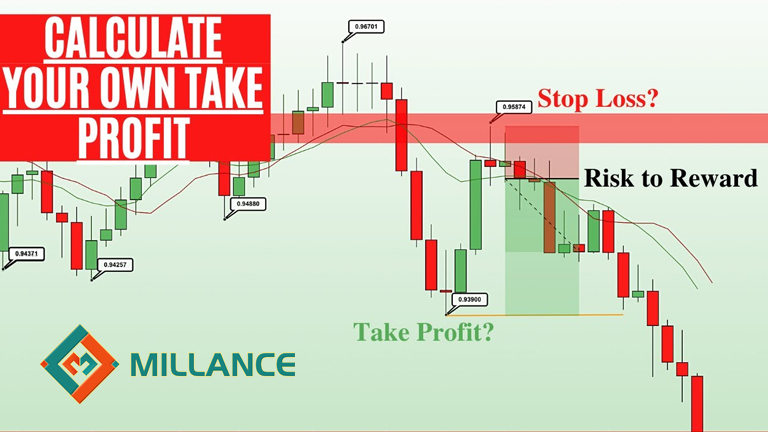
Professional traders always calculate potential risk vs. reward before entering a trade. If you risk 50 pips to gain 100 pips, your risk-to-reward ratio is 1:2. The higher the ratio, the better your long-term profitability.
Pro Tips for Calculating Forex Profit Accurately
- Use a Forex Profit Calculator – It saves time and prevents errors.
- Always check lot size and leverage – Small differences can dramatically change results.
- Keep a trading journal – Track profits, losses, and fees for better strategy adjustments.
- Never ignore spreads and commissions – They directly affect your bottom line.
- Backtest your strategy – Use historical data to see how profit calculation impacts your results.
Final Thoughts
Calculating forex profit isn’t complicated when you follow the step-by-step formula. By mastering this essential skill, you’ll trade more confidently, manage risks better, and ultimately maximize your returns. Remember, forex trading isn’t about luck—it’s about precision, strategy, and discipline.
👉 Start applying this formula today and watch how it transforms your trading journey.





Leave a Reply