

Introduction
Every trader dreams of finding the most profitable forex indicator — the one that consistently signals winning trades. The truth? There’s no single magic indicator that guarantees profits. Instead, profitability comes from using the right indicators in the right market conditions and combining them with solid risk management.
In this article, we’ll explore which forex indicators deliver the most consistent results, how to use them effectively, and how to build a winning trading strategy around them.
Why Forex Indicators Matter
Forex indicators are analytical tools that help traders identify potential price movements based on historical data and market trends. They simplify decision-making and reduce emotional trading.
Here’s why they’re important:
- They provide objective trading signals based on data.
- They help identify entry and exit points.
- They confirm trends and prevent emotional bias.
- They support risk management with better timing.
However, the most profitable indicator is one that matches your trading style — whether you’re a day trader, swing trader, or long-term investor.
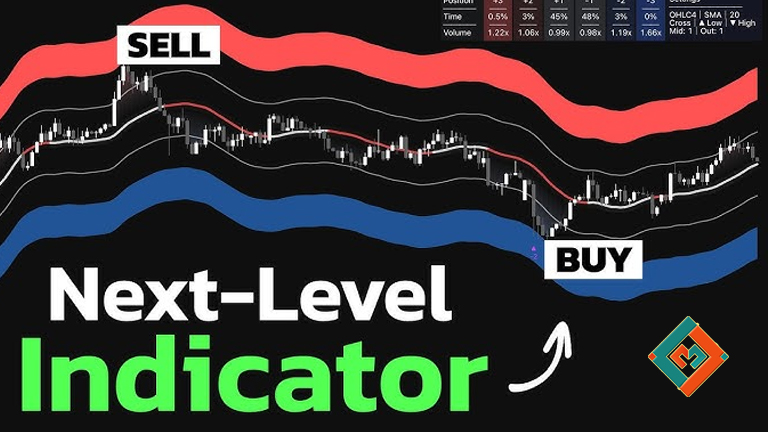
Top 5 Most Profitable Forex Indicators
Let’s break down the five indicators professional traders rely on for consistent profitability.
1. Moving Average (MA)
Best For: Identifying trend direction and potential reversals
The Moving Average smooths out price data to show the overall direction of the market.
- When price is above the MA, the trend is up.
- When price is below the MA, the trend is down.
Popular Strategies:
- Golden Cross: A short-term MA crossing above a long-term MA signals a bullish trend.
- Death Cross: A short-term MA crossing below a long-term MA signals a bearish trend.
👉 Pro Tip: Use the 50-period and 200-period MA combination for reliable trend confirmation.
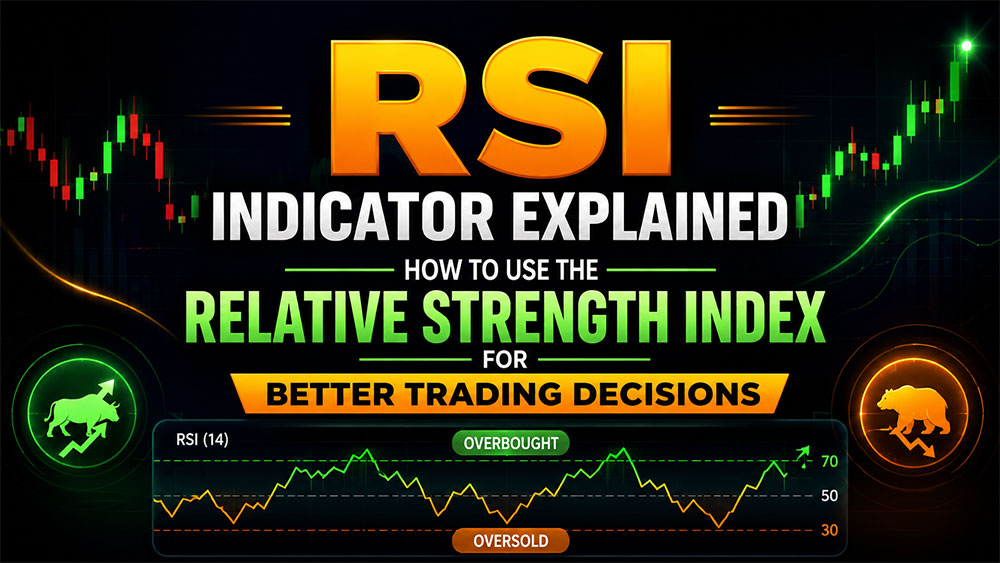
2. Relative Strength Index (RSI)
Best For: Measuring momentum and spotting overbought or oversold markets
RSI ranges from 0–100 and helps traders gauge whether an asset is overbought (>70) or oversold (<30).
- Buy signal: RSI crosses above 30 (oversold recovery).
- Sell signal: RSI crosses below 70 (overbought exhaustion).
Why It’s Profitable:
RSI works across all timeframes and pairs, giving traders clear, high-probability entry points during pullbacks.
3. Moving Average Convergence Divergence (MACD)
Best For: Identifying trend strength and momentum changes
The MACD consists of two moving averages (fast and slow) and a histogram showing their difference.
- Buy signal: MACD line crosses above the signal line.
- Sell signal: MACD line crosses below the signal line.
Why It Works:
MACD filters out noise and highlights true trend reversals, making it ideal for swing and position traders.
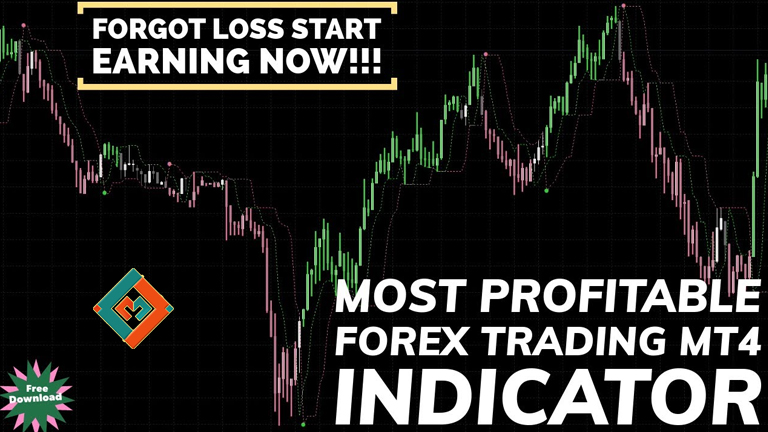
4. Bollinger Bands
Best For: Detecting volatility and breakout opportunities
Bollinger Bands consist of a middle moving average and two outer bands based on standard deviation.
- When bands widen: Market volatility increases.
- When bands tighten: A breakout may be near.
Trading Tip:
- Buy near the lower band, sell near the upper band — but confirm direction with RSI or MACD.
This combination makes Bollinger Bands one of the most profitable forex indicators for volatility-based trading.
5. Fibonacci Retracement
Best For: Predicting potential reversal zones
Fibonacci retracement levels (23.6%, 38.2%, 50%, 61.8%) help traders identify support and resistance areas where price may reverse.
Example:
If EUR/USD rallies from 1.1000 to 1.1200, a pullback to the 61.8% level (1.1080) could offer a strong buy opportunity.
Why It Works:
Fibonacci levels are used by institutional traders worldwide, making them self-fulfilling and highly accurate.
The Most Profitable Combination of Indicators
Using a single indicator can be misleading. The most successful traders combine 2–3 indicators to confirm signals.
Here’s a high-performing combo:
- Trend Filter: 50-period Moving Average
- Momentum Confirmation: RSI (14)
- Entry Trigger: MACD crossover
This trio gives you the perfect balance of trend direction, strength, and timing — a proven formula for profitable forex trading setups.
Avoiding Common Indicator Mistakes
Even the best indicators can fail if misused. Here’s what to avoid:
- Overloading your chart: Too many indicators cause confusion.
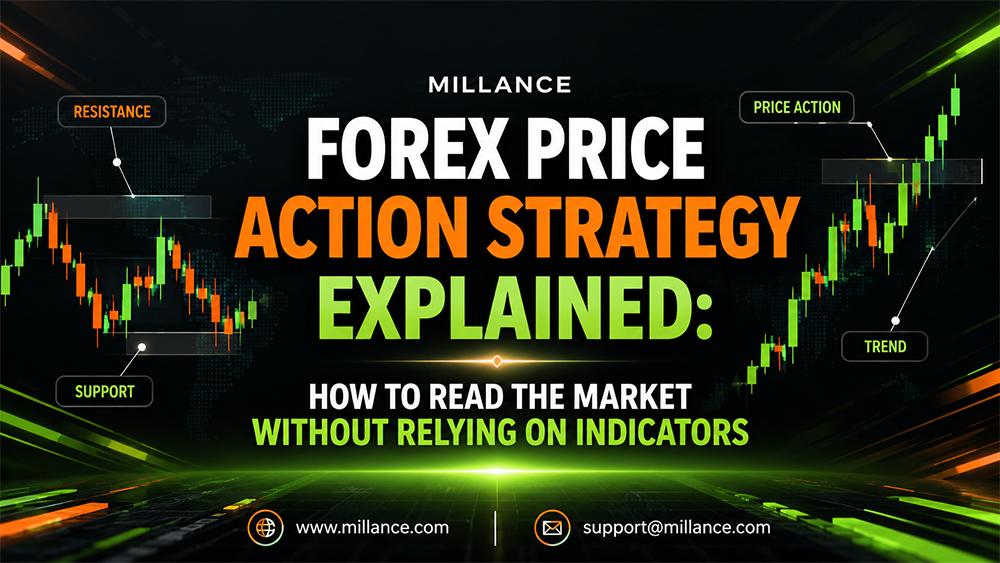
- Ignoring price action: Indicators should confirm, not replace, price movement.
- Not adapting to market changes: Adjust settings based on volatility.
- Skipping risk management: Even perfect signals can lose if you over-leverage.
Remember, the goal is consistency, not perfection.
How to Choose the Right Indicator for You
When selecting your go-to indicator:
- Match it to your trading style (scalping, swing, position).
- Backtest it on historical charts.
- Keep your setup simple — clarity equals profitability.
Brokers like Millance offer advanced trading platforms with customizable indicator settings, allowing you to fine-tune your strategy in real time.
Conclusion
So, which forex indicator is most profitable?
There isn’t a single one-size-fits-all answer. The key is combining trend, momentum, and volatility indicators to make smart, data-driven decisions.
By mastering tools like Moving Averages, RSI, and MACD, you can develop a strategy that’s profitable, repeatable, and easy to execute — whether you’re a beginner or an expert.
Start testing these indicators on a demo account with Millance, refine your approach, and trade with confidence in live markets.






Leave a Reply