

(And How Smart Money Really Controls the Forex Market)
Retail traders enter the Forex market every day hoping to beat the system. However, most of them unknowingly trade against institutions, not with them. As a result, they rely on lagging indicators, emotional decisions, and outdated strategies—while banks, hedge funds, and liquidity providers quietly move price with precision.
So, what’s the real difference?
Institutional traders don’t predict price — they engineer it.
In this in-depth guide by Millance, you’ll discover 7 powerful institutional Forex trading concepts that retail traders still ignore, yet they form the backbone of smart money trading.
If your goal is consistent profitability, this article will change how you see the Forex market—forever.
Why Institutional Forex Trading Concepts Matter More Than Retail Strategies
Before diving into the concepts, it’s important to understand one core truth:
Retail traders react. Institutions create reactions.
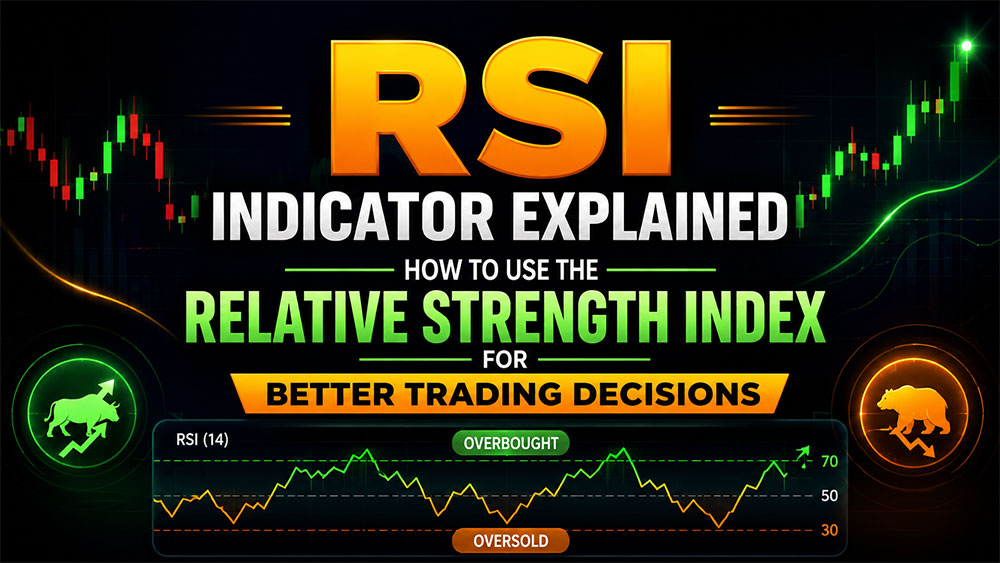
While retail traders use RSI, MACD, and moving averages, institutions focus on:
- Liquidity
- Order flow
- Market structure
- Risk transfer
Therefore, if you want to trade like professionals, you must first think like institutions.
Now, let’s break down the 7 institutional Forex trading concepts every serious trader must know.
1. Liquidity Pools – The Real Target of Smart Money
(High-Search Keyword: Forex Liquidity Trading)
First and foremost, institutions don’t chase price—they chase liquidity.
Liquidity pools are areas where retail stop-loss orders are clustered, usually:
- Above equal highs
- Below equal lows
- Around obvious support and resistance levels
Why Institutions Love Liquidity
- Large orders require large counter-orders
- Retail stop-losses provide instant liquidity
- Price is often manipulated to grab these stops
How Retail Traders Get Trapped
Retail traders place predictable stop losses. Consequently, institutions push price into these zones, trigger stops, and then reverse the market.
Key takeaway:
👉 Price moves toward liquidity, not indicators.
2. Order Blocks – Where Institutions Actually Enter Trades
(High-Search Keyword: Order Block Forex Strategy)
An order block is the last bullish or bearish candle before a strong institutional move.
Unlike retail entries, institutions:
- Accumulate positions quietly
- Use consolidation zones
- Enter before explosive moves
Types of Order Blocks
- Bullish Order Block: Last bearish candle before price rallies
- Bearish Order Block: Last bullish candle before price drops
Why Order Blocks Work
Because they represent unfilled institutional orders, price often returns to these zones before continuing.
Smart traders wait for price to come back. Retail traders chase.
3. Market Structure – The Institutional Map of Price
(High-Search Keyword: Forex Market Structure Trading)
Market structure reveals who controls the market.
Institutions don’t trade randomly. Instead, they look for:
- Higher highs & higher lows (bullish)
- Lower highs & lower lows (bearish)
- Breaks of structure (BOS)
- Change of character (CHOCH)
Institutional Insight
A trend doesn’t change when price pulls back—it changes when structure breaks.
Why Retail Traders Fail
Retail traders enter mid-trend without understanding structural shifts, which leads to stop-outs.
Institutional traders wait for confirmation.

4. Smart Money Manipulation – Why Price Moves Before News
(High-Search Keyword: Smart Money Concept Forex)
Ever noticed price moving before major news releases?
That’s not coincidence—it’s manipulation.
How Institutions Manipulate Price
- Fake breakouts
- Sudden spikes
- Stop hunts before real direction
Retail traders react emotionally. Institutions plan weeks ahead.
Example
Price sweeps liquidity above highs → news releases → market drops aggressively.
The news is the excuse. Liquidity is the reason.
5. Fair Value Gaps (FVG) – Institutional Imbalances Explained
(High-Search Keyword: Fair Value Gap Forex)
A Fair Value Gap occurs when price moves so fast that inefficiency is left behind.
Institutions believe price must rebalance before continuing.
Why FVGs Matter
- Created by aggressive institutional orders
- Often act as magnets for price
- High-probability retracement zones
Trading Tip
When price revisits an FVG within trend direction, it often offers precision entries.
Retail traders ignore imbalance. Institutions exploit it.
6. Premium & Discount Zones – Institutions Never Buy at Retail Prices
(High-Search Keyword: Premium Discount Forex Trading)
Institutions buy cheap and sell expensive.
Using a simple 50% equilibrium:
- Discount Zone: Below 50% (buy area)
- Premium Zone: Above 50% (sell area)
Why This Works
Institutions aim for maximum efficiency, not emotional entries.
Retail traders buy highs. Institutions sell to them.
If you’re buying where institutions sell, consistency becomes impossible.
7. Time-Based Trading – When Institutions Actually Trade
(High-Search Keyword: Forex Kill Zones Trading)
Institutions trade during specific sessions, not randomly.
High-Probability Trading Sessions
- London Open
- New York Open
- London–New York Overlap
These are known as Forex Kill Zones.
Why Time Matters
- High liquidity
- Institutional participation
- Cleaner price action
Retail traders trade all day. Institutions trade when it matters.
Why Retail Traders Ignore These Concepts (And Pay the Price)
Despite their effectiveness, many retail traders ignore institutional concepts because:
- They seem complex
- They contradict traditional indicators
- They require patience and discipline
However, simplicity doesn’t equal profitability.
Institutions win because they understand how markets are engineered, not because they use better indicators.
How Millance Helps Traders Master Institutional Forex Trading
At Millance, we focus on:
- Smart Money Concepts
- Institutional-level education
- Real market mechanics
- Risk-controlled strategies
Instead of selling dreams, we teach how the Forex market truly works.
Final Thoughts: Trade With Institutions, Not Against Them
To summarize:
✔ Institutions control liquidity
✔ Price moves with purpose
✔ Indicators lag, structure leads
✔ Smart money leaves footprints
If you continue trading like retail traders, results will stay retail.
However, once you adopt institutional Forex trading concepts, everything changes—from entries to mindset to consistency.
Ready to Trade Smarter?
Stay connected with Millance.com for advanced Forex education, institutional strategies, and professional insights designed for traders who want real results.







Leave a Reply